
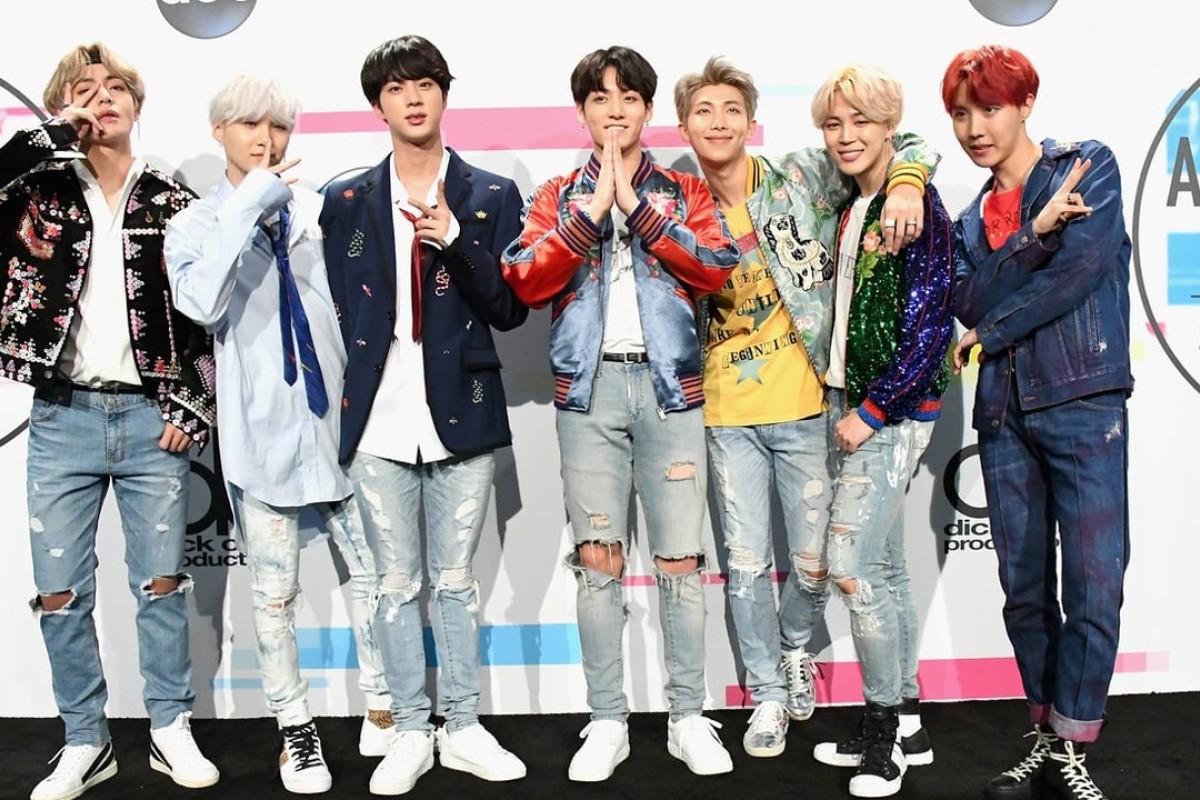
In January, the BBC News website ran a story about a 23-year-old called Stephanie Fairfield, who had uprooted her life in Scotland and moved 5,000 miles to Seoul in order to be closer to the K-pop boyband BTS. It was news that seemed to startle even BTS’s seven members, presumably no strangers to the attentions of obsessive fans: in South Korea, they’re so popular that their fan club apparently has a waiting list, prospective members being required to buy a certain amount of merchandise before they’re allowed to join.
Western audiences are traditionally resistant to K-pop, with its lyrics in Korean and Japanese, and its customs as mysterious as some of BTS’s translated song titles: Blanket Kick, Spine Breaker, Dimple and the thought-provoking War of Hormone.
Moreover, the traditional reaction of Western media to K-pop has been to recoil, muttering that there’s something faintly creepy about it: its antiseptic cuteness, the battery farming of young performers tied to “slave” contracts, with everything from their diets to their sex lives strictly controlled by companies so ruthlessly exploitative of artists and fans alike they make Simon Cowell’s Syco look like Crass’s anarchist commune in Epping Forest.
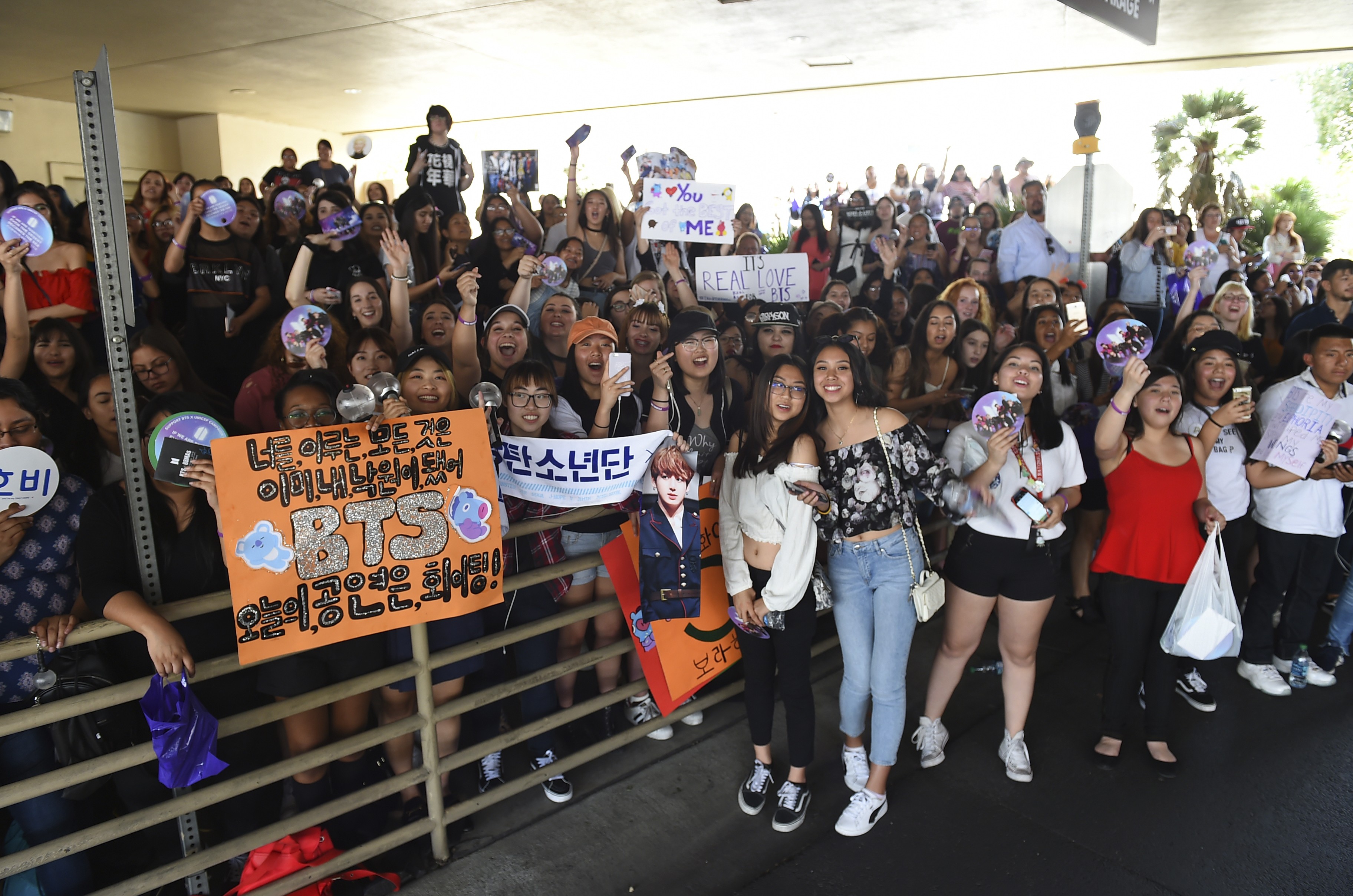
Not any more: Fairfield was an admittedly extreme example of how BTS have quietly broken into the affections of British and American fans. Their last album went gold in the US – unprecedented for a K-pop band – while their next London shows involve two nights at the 20,000-capacity O2 Arena, which everyone expects to sell out, even with the cheapest tickets at £62 (US$83) a pop. Europe’s biggest venue will be packed with fans singing along phonetically to songs in a language they largely don’t understand.


No comments:
Post a Comment